
Technology8 min read
From reading to resolution: What a complete RPM workflow should capture
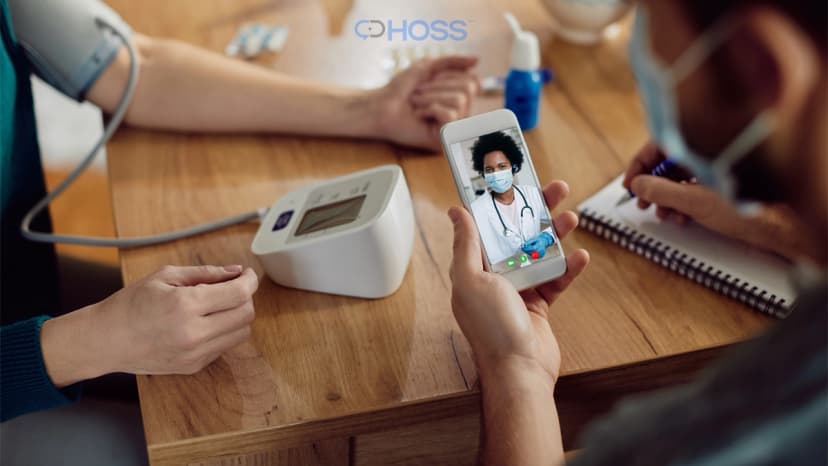
A complete RPM workflow should move every patient reading toward review, follow-up, documentation, escalation when needed, and clear resolution.
Why two-way EHR integration matters for RPM and CCM workflows, documentation, care coordination, and a more complete patient record.
Hoss Care Team
Healthcare Insights
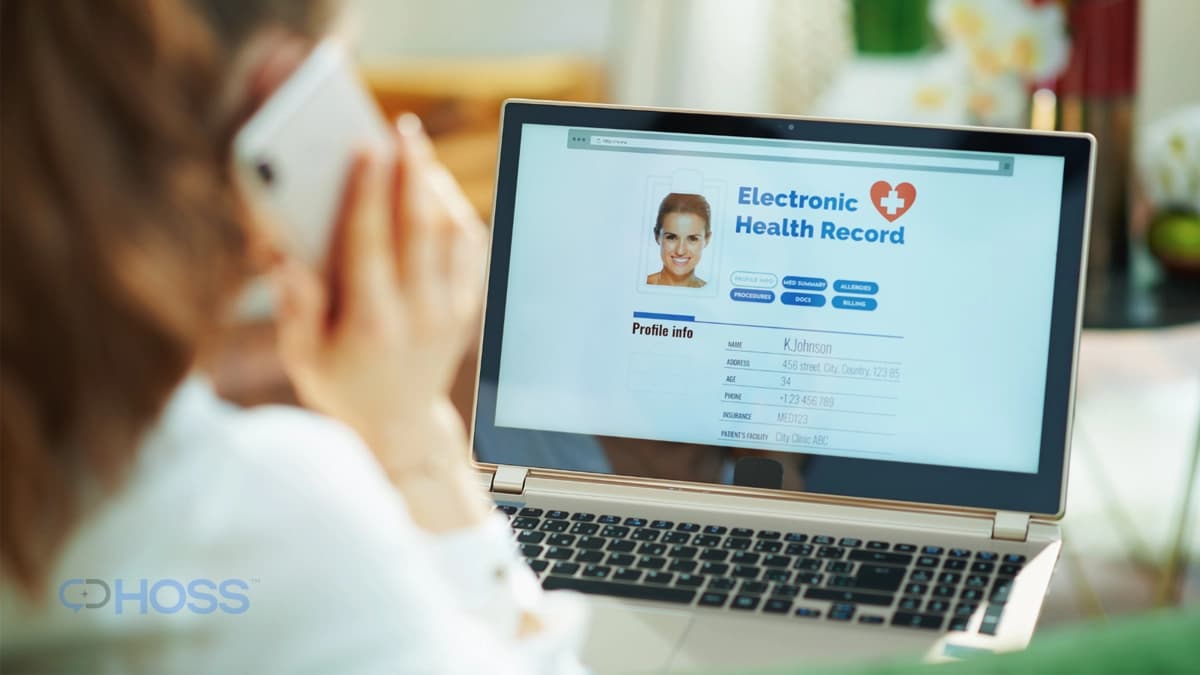
A patient takes a blood pressure reading at home. The result reaches a monitoring platform, a care team member reviews it, and the patient is contacted when follow-up is needed. The data has reached the organization, but the clinical record may still be incomplete if the review and response remain inside a separate system.
This is the challenge an EHR-integrated care platform should address. Integration is not complete when a platform can retrieve patient demographics, diagnoses, or medication lists. It becomes operationally meaningful when the care delivered between visits can also move back into the record clinicians use every day.
That returning information may include relevant readings, patient conversations, care plan updates, escalations, and the action taken by the care team. Together, these details provide the context needed to understand not only what was measured, but what happened next.
The Centers for Medicare & Medicaid Services describes an electronic health record as an electronic version of a patient’s medical history maintained by the provider over time. It may include diagnoses, medications, vital signs, progress notes, laboratory data, and other information relevant to the patient’s care.
However, care increasingly extends beyond the office visit. Patients submit readings from connected devices, care managers conduct follow-up calls, and clinical teams coordinate services across different settings. If that work is documented only in a separate care management platform, the EHR may not reflect the full sequence of events.
The issue is not simply whether two systems can exchange data. The Office of the National Coordinator for Health Information Technology explains that interoperability supports access to electronic health information that can be used to manage and coordinate care. For healthcare organizations, that means information must be available in a form that fits the clinical workflow.
A technical connection may transfer data while still leaving staff to copy notes manually, monitor several portals, or search for the context behind an alert. Meaningful care management interoperability should reduce this fragmentation by connecting the patient record with the work performed outside the visit.
A two-way integration should support the information required on both sides of the workflow.
From the EHR, a care management platform may need patient demographics, diagnoses, medications, appointments, and other information required to support enrollment and ongoing care. From the care management platform, the EHR may need clinically relevant readings, completed outreach, updated care plans, escalations, and the outcome of the team’s review.
This does not mean that every raw reading must be placed in the EHR. Each organization must determine which information is relevant, how it should be summarized, and where it should appear. The objective is to preserve the clinical context without creating unnecessary noise.
Effective EHR-connected documentation should make it possible to understand what was identified, who reviewed it, what action was taken, and whether additional follow-up is required. This creates a more useful record than either a stream of unreviewed measurements or a brief note with no supporting context.
In Remote Patient Monitoring, readings are collected between scheduled visits. A measurement may lead to a routine review, patient outreach, symptom collection, escalation, or another follow-up action.
CMS describes RPM as a process in which a connected medical device automatically transmits health data to the provider, who then uses the information to treat or manage the patient’s condition. The purpose is therefore not limited to receiving data. The data must become part of a care process.
An effective RPM EHR integration should help preserve that process. The record should show when relevant information was reviewed, whether the patient was contacted, and what action followed. CMS does not prescribe one technical architecture for connecting an RPM platform with an EHR, so the implementation must reflect the organization’s systems, policies, and clinical responsibilities.
The same principle applies to Chronic Care Management. CMS guidance includes the structured recording of patient health information, the maintenance of a comprehensive electronic care plan, and the timely sharing of health information within and outside the billing practice.
The CMS Chronic Care Management Services booklet states that patient demographics, problems, medications, and medication allergies must be recorded using an appropriate version of certified EHR technology. It also describes the creation, revision, and monitoring of a patient-centered electronic care plan.
CCM documentation should therefore communicate more than accumulated time. It should help the team understand the patient’s current needs, the work completed during the month, changes made to the care plan, and the next expected step.
Healthcare organizations should evaluate an EHR connection by examining what the care team can actually do after implementation.
The important questions are practical: What information can enter the care management workflow? What documentation can return to the EHR? Where will that information appear? Can the team identify failed transfers or incomplete records? Will staff still need to re-enter information manually?
For an organization evaluating an Epic care management integration, the presence of a connection is only the starting point. Its value depends on the information exchanged, the configuration selected, and the way the integration fits the organization’s clinical and operational workflow.
HossConnect is positioned as a central integration layer for EHR and EMR systems, connected devices, communications, and billing. Its bidirectional model is designed to allow information from existing systems to support care workflows while returning relevant vitals, notes, and care plans to the EHR.
This approach allows the EHR to remain the central clinical record while the care management platform supports the work performed between visits.
Connected information can also give AI-supported capabilities the context needed to help organize documentation, identify missing information, and bring cases that may require attention to the care team’s view.
These capabilities should remain supportive. A system-generated alert or suggestion is not a clinical decision. Clinicians remain responsible for interpreting the information, determining whether escalation is appropriate, and deciding what action should follow.
The documentation should reflect both the signal identified by the system and the team’s final response. This helps create records designed to support continuity of care and audit readiness without suggesting that technology alone guarantees compliance or a particular clinical outcome.
The Hoss Care platform is designed to work alongside existing clinical systems rather than replace the EHR. Its role is to support structured care workflows while helping organizations connect the work performed between visits with the broader patient record.
A two-way record gives clinicians a clearer view of what happened, how the care team responded, and what needs to happen next. That is the practical value of an EHR-integrated care platform: connecting data with documented action so that the patient’s record reflects the care that was actually delivered.
Explore how Hoss Care can support structured RPM and CCM workflows, EHR-connected documentation, and care team coordination while working alongside the systems your organization already uses.
Centers for Medicare & Medicaid Services – Electronic Health Records
Centers for Medicare & Medicaid Services – Remote Patient Monitoring
Centers for Medicare & Medicaid Services – Chronic Care Management Services
Last updated August 20, 2026
See how Hoss Care can help you implement these strategies in your practice.
Book a demoExplore the HossConnect EHR & device hubA complete RPM workflow should move every patient reading toward review, follow-up, documentation, escalation when needed, and clear resolution.

See how RPM, CCM, and BHI share one connected workflow while preserving program-specific responsibilities.
Blood pressure monitors, glucose meters, pulse oximeters, with so many options, how do you pick? A practical guide to device selection and patient matching.