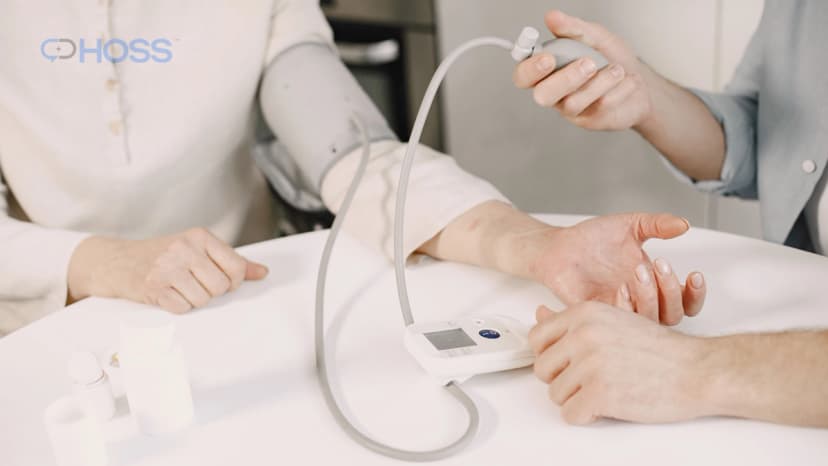
A care manager completes a monthly call with a patient living with diabetes and hypertension. During the conversation, the patient mentions dizziness after a medication change, difficulty arranging transportation and uncertainty about an upcoming specialist appointment. The call lasts long enough to meet a time-based CCM threshold.
But if the record shows only the date, the duration and a note that the call was completed, most of the meaningful work has been lost.
This is why chronic care management software should do more than count minutes. Time tracking matters for Medicare CCM billing, but the documentation should also explain what changed, why the care team became involved, what action followed and what still requires attention.
The minutes show that work occurred. The rest of the record should show what that work meant for the patient.
CCM Is Time-Based, but It Is Not Only About Time
Several Medicare CCM codes use time to define part of the service. For example, CPT 99490 covers the first 20 minutes of qualifying clinical staff time during a calendar month under the direction of a physician or another qualified healthcare professional.
That threshold is important, but it represents only one part of the care process.
The Centers for Medicare & Medicaid Services describes CCM as an ongoing service that includes structured health information, a comprehensive electronic care plan, medication management, coordination with other providers, support during care transitions and continued access to the care team.
In practice, this means CCM documentation must connect the time recorded to the care provided. A timer can show how long an activity took. It cannot explain why the activity was necessary or how it affected the plan of care.
When organizations evaluate CCM software, the more useful question is not simply whether the system tracks time. It is whether the system helps the care team preserve the patient’s story across a month of interactions.
A Diagnosis List Does Not Explain the Patient’s Situation
Two patients may have the same chronic conditions but need very different forms of support.
One may be comfortable managing several medications but have difficulty reaching appointments. Another may attend every visit but struggle to understand conflicting instructions from different providers. A third may depend on a family caregiver whose availability has recently changed.
These circumstances influence whether a care plan is realistic, but they are easy to lose when documentation focuses only on diagnoses and completed tasks.
CMS guidance describes the comprehensive care plan as patient-centered and informed by physical, mental, cognitive, psychosocial, functional and environmental needs. The plan may also reflect treatment goals, planned interventions, medication management, caregiver involvement and coordination with outside resources.
CCM documentation should preserve this wider context. The next person who opens the record should be able to understand not only which conditions the patient has but also what is making those conditions more difficult to manage at that moment.
That context turns a routine monthly note into information the care team can use.
Every Action Should Be Connected to a Reason
A useful CCM record does not need to be unnecessarily long. It needs to be clear.
If a care manager contacted the patient because of a medication concern, the note should make that reason visible. If the care plan changed after a hospital discharge, the documentation should preserve what prompted the change. If a follow-up task was assigned, the record should show who became responsible and what should happen next.
This connection between need, action and next step is what allows documentation to support continuity.
Without it, the patient’s record can become a collection of completed calls, time entries and short notes that do not explain how one interaction relates to another. The care team may know that activity occurred without knowing whether the original concern was resolved.
Good CCM workflow management helps prevent that loss of context. It keeps the purpose of the interaction close to the action that followed.
Care Coordination Is Not Complete When a Message Is Sent
Much of chronic care management happens across organizational boundaries. Primary care teams may need to communicate with specialists, pharmacies, hospitals, home health providers, community services and caregivers.
Sending a referral or leaving a message may begin the coordination process, but it does not necessarily complete it.
The referral may still need to be scheduled. A pharmacy question may remain unanswered. Instructions from a specialist may need to be reviewed by the primary care team. A patient may need help understanding how a new recommendation changes the existing care plan.
CCM documentation should show where that process stands. It should distinguish between an attempted contact, a completed exchange and an unresolved issue that requires further work.
This gives the next care-team member a reliable starting point. It also reduces the risk of repeating work or asking the patient to explain the same situation again because the earlier interaction was recorded without its outcome.
The Patient’s Response Matters Too
Documentation often describes what the care team said or did. It may reveal less about whether the patient understood the guidance or felt able to follow it.
That difference is important.
A medication schedule may have been explained clearly, but the patient may still be confused. A treatment goal may be clinically appropriate, but transportation, cost or caregiver availability may make it difficult to carry out. A patient may agree to a follow-up during the call but later need additional support.
The record should reflect these realities when they affect the plan.
Documenting the patient’s response helps the care team understand whether an issue is resolved or whether the conversation needs to continue. It also keeps the patient’s preferences, concerns and practical circumstances within the care process rather than treating them as details separate from clinical work.
CCM documentation becomes more meaningful when it shows not only what was provided but also how the patient responded.
A Monthly Note Should Contribute to a Longer Story
Chronic care develops over time. The importance of one interaction often becomes clear only when it is viewed alongside earlier contacts.
A single missed refill may be an isolated event. Repeated refill difficulties may point to an ongoing access problem. One unsuccessful outreach attempt may not require a change in approach. A pattern of declining engagement may.
For that reason, a Medicare CCM platform should help care teams see more than the current month. It should make it possible to follow changes in symptoms, goals, medication concerns, patient engagement and unresolved needs across multiple interactions.
Longitudinal visibility does not replace clinical judgment. It gives qualified professionals a more complete record from which to make decisions.
The value of CCM documentation lies partly in its ability to carry context forward. Each month should add to the understanding of the patient rather than start the story again.
What Chronic Care Management Software Should Support
Effective chronic care coordination software should bring the main elements of the workflow together. The care plan, communication history, assigned responsibilities, time records and follow-up activity should remain connected rather than being distributed across unrelated systems.
This does not mean software should decide what care the patient needs. Clinical decisions remain with qualified professionals. The role of the technology is to make the surrounding work easier to follow and harder to lose.
A well-structured system can help teams see which patients require attention, which tasks remain open and whether documentation is complete enough to explain the care provided. It can also give program leaders a clearer view of how follow-up and coordination are being managed across the patient population.
The goal is not to create more documentation for its own sake. It is to produce a record that supports the next clinical or operational step.
How Hoss Care Supports the CCM Workflow
Hoss Care supports CCM as a structured workflow within broader care execution infrastructure. It is designed to work alongside the organization’s existing systems rather than function as an EHR replacement.
The Hoss Care CCM program supports ongoing care planning, patient contact, provider coordination and time-based program activity. Through the HossCare platform, teams can keep care plans, communication history, tasks and program documentation connected within a shared workflow.
For organizations that need additional operational support, HossClinical provides clinical professionals who can work as an extension of the care team. Their activity remains subject to provider direction and the clinical, billing and regulatory requirements that apply to the organization.
The Hoss Care AI layer can surface possible documentation gaps or care needs for review. Its outputs are advisory. Clinicians and established program rules remain the final authority for care decisions and documentation.
At the platform level, EHR-connected documentation, task visibility, time tracking and program reporting help organizations maintain a clearer view of activity across the CCM workflow.
This structure is designed to support audit readiness by making care activity, responsibilities and follow-up easier to trace. It does not guarantee compliance or replace the organization’s responsibility to follow current CMS, CPT, payer and regulatory requirements.
Documentation Should Help Carry Care Forward
Monthly minutes remain important for time-based CCM billing. They should not be the only part of the record that receives attention.
Strong documentation should reveal what the patient was experiencing, why the care team responded, what action was taken, how the patient reacted and what needs to happen next. Over time, these details should form a connected account of the patient’s care rather than a series of isolated monthly entries.
That is the broader purpose of chronic care management software: not simply to record activity but to preserve the context that helps care teams continue the work.
When the record does that well, the minutes become part of a meaningful care process rather than the entire story.
Ready to Strengthen Your CCM Workflow?
See how Hoss Care supports care planning, patient follow-up, care coordination and documentation designed to support audit readiness.
Explore the Hoss Care CCM program or book a demo.
Source
Centers for Medicare & Medicaid Services. Chronic Care Management Services. MLN909188, June 2025. Read the official CMS guidance.